













Why Crypto Is Reviving Online Poker

Updated: Sep 27

From Black Friday to Bitcoin, USDT and Solana, cryptocurrencies are helping build a new era for online poker.
For Years, Online Poker Had One Major Problem
Ask any long-time poker player what changed after Black Friday, and most will tell you that the United States lost access to the biggest poker sites.
They’re right.
But that’s only part of the story.
The biggest problem wasn’t poker itself.
It was moving money.
Deposits became harder.
Withdrawals became slower.
Banks became reluctant to process gambling transactions.
International transfers were expensive, and many payment processors simply disappeared.
For years, this limited the growth of online poker.
Then cryptocurrency arrived.
Today, Bitcoin, USDT and other digital assets are making online poker faster, more global and more accessible than it has been in years.
Even the World Series of Poker now accepts crypto for tournament buy-ins through a partnership with Solana and MoonPay, something that would have been unimaginable just a few years ago.

Black Friday Changed Poker Forever
On April 15th, 2011, the poker world changed overnight.
The U.S. Department of Justice seized the domains of PokerStars, Full Tilt Poker and Absolute Poker.
Millions of players suddenly found themselves unable to access their favorite poker sites.
The event became known simply as Black Friday.
Although many countries continued to enjoy online poker, the industry’s momentum slowed dramatically.
The biggest issue wasn’t only regulation.
It was payments.
Banks became increasingly cautious.
Credit cards were often declined.
International bank transfers were slow, expensive and sometimes impossible.
For players outside regulated markets, moving a bankroll became one of the biggest frustrations in online poker.
Bitcoin Opened a New Door
Bitcoin was the first real alternative.
For the first time, poker players could send money anywhere in the world without relying entirely on banks.
Transactions were available 24 hours a day.
There were no international banking hours.
No waiting for wires to clear.
No dependence on local payment processors.
It wasn’t perfect.
Bitcoin’s price volatility made it difficult for many players to keep their bankroll in BTC.
But it proved something important.
Poker could work with decentralized payments.
ACR Poker Saw the Opportunity Early
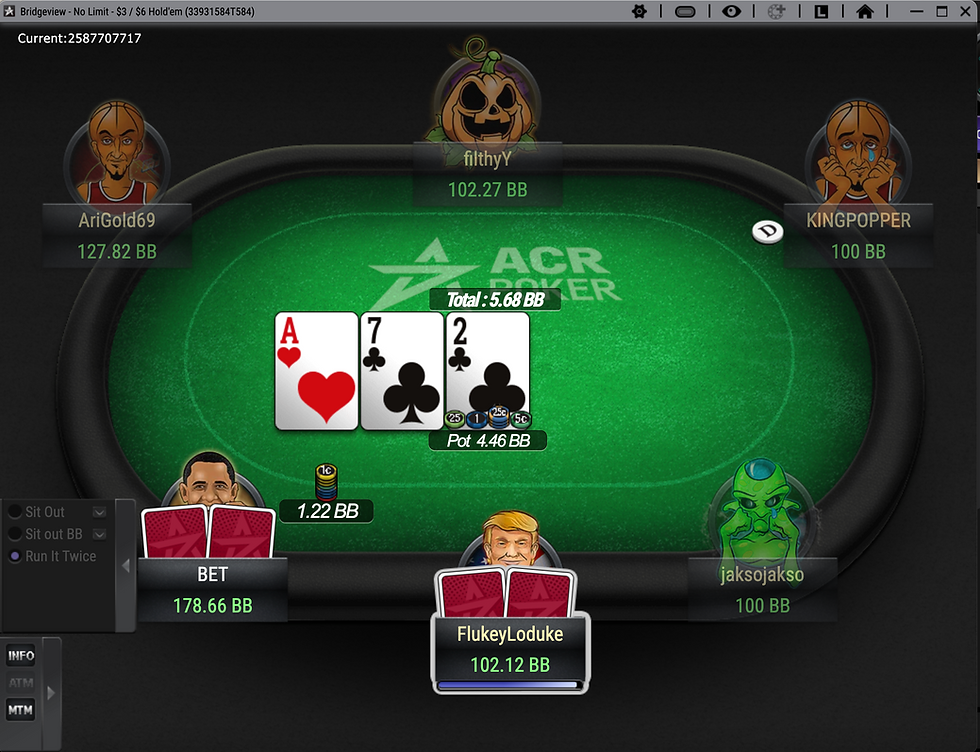
While many poker operators were still relying almost entirely on traditional banking methods, ACR Poker recognized the potential of Bitcoin years before cryptocurrency became mainstream.
The site was among the first major online poker rooms to embrace Bitcoin deposits and withdrawals, offering players a faster alternative to bank transfers and credit cards.
Today, ACR continues to position itself as one of the leading crypto-friendly poker sites, supporting multiple cryptocurrencies and promoting crypto as its fastest payment method.
This was an important turning point for the industry.
Instead of waiting days for a wire transfer or dealing with declined card payments, players could move funds directly through the Bitcoin network.
Looking back, ACR’s early adoption showed what the future of online poker payments could look like.
Today, that vision has expanded far beyond Bitcoin, with stablecoins like USDT becoming the preferred option for many professional players and an increasing number of poker platforms embracing crypto payments.
Then USDT Changed Everything
If Bitcoin opened the door…
USDT kicked it wide open.
Stablecoins solved the biggest problem crypto had for poker players.
Volatility.
Today, thousands of grinders use USDT because it offers:
Stable value
Fast international transfers
Low transaction fees
24/7 availability
Near-instant withdrawals
Instead of waiting several business days for a withdrawal, many players now receive their bankroll within minutes.
For professional players, that’s a huge advantage.
Crypto Created a New Generation of Poker Rooms
Better payment technology allowed a new generation of poker platforms to grow internationally.
Instead of depending exclusively on traditional banking infrastructure, many operators embraced cryptocurrency from the beginning.
The result?
Faster deposits.
Faster withdrawals.
Players from dozens of countries sharing the same games.
A global poker ecosystem that simply wasn’t practical fifteen years ago.
CoinPoker: Built Around Crypto

If one poker room represents this new era better than any other, it’s CoinPoke r.
Unlike traditional poker sites that added crypto later, CoinPoker was designed around blockchain payments from the beginning.
Players can deposit and withdraw using cryptocurrencies while enjoying one of the softest international player pools available today.
CoinPoker is particularly popular among PLO, PLO5 and PLO6 players thanks to its excellent game selection and active community.
QQPK: A Fast-Growing Global Poker App

QQPK has quickly become one of the fastest-growing international poker apps.
Combined with crypto-friendly payment options, it allows players from many countries to access soft games without many of the traditional banking obstacles that existed after Black Friday.
Through The Poker Broker, players can also unlock exclusive VIP deals and dedicated support.
KKPoker: International Poker Made Easier
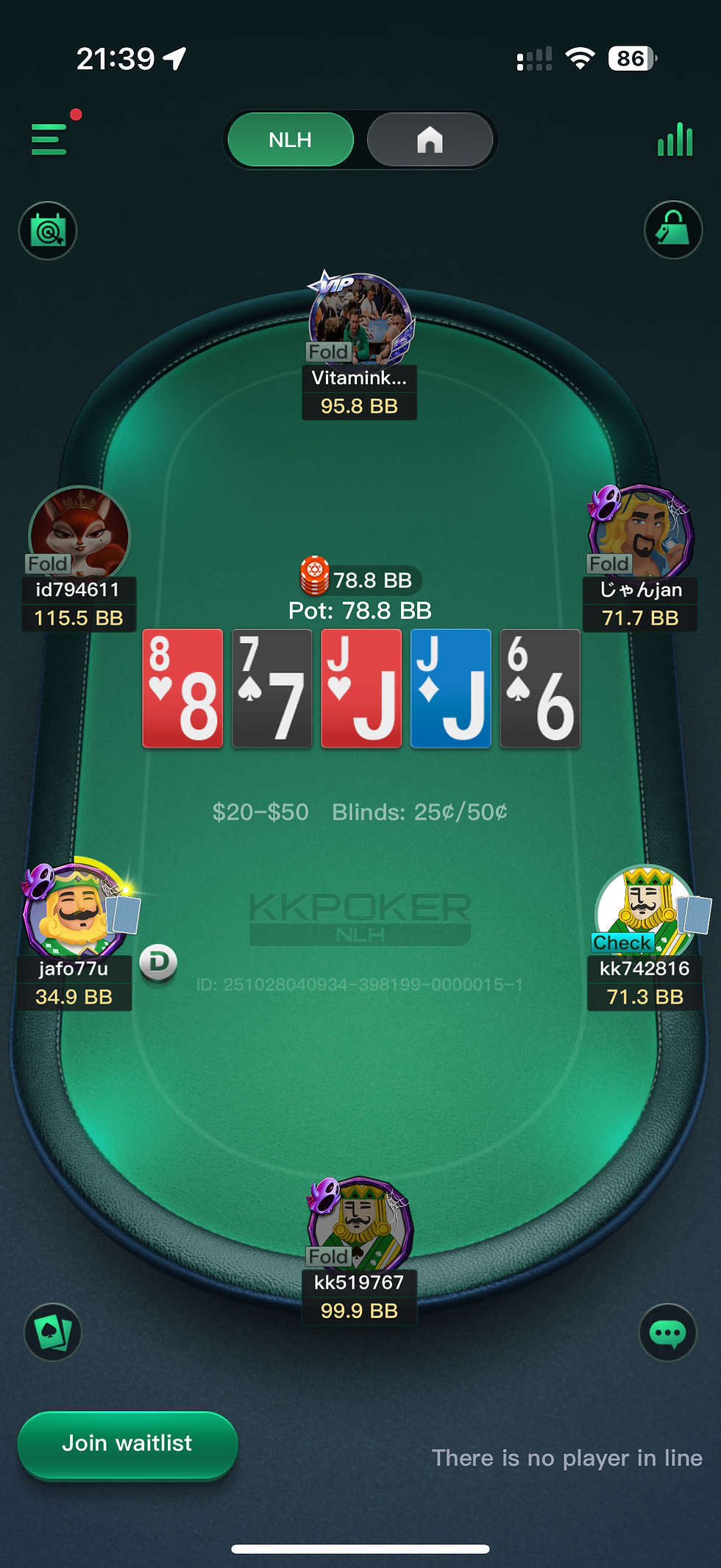
KKPoker has become one of the largest mobile-first poker ecosystems in the world.
Its famous Flash Poker tables, strong PLO traffic and recreational player pool continue to attract players looking for action outside traditional regulated markets.
Crypto payments make deposits and withdrawals significantly easier for international players.
Through The Poker Broker, you can also receive exclusive rakeback deals unavailable through standard registration.
Better Payments Create Better Poker
Crypto isn’t making poker easier to beat.
Good players still need skill.
Study still matters.
Bankroll management still matters.
What cryptocurrency has improved is the entire player experience.
Less waiting.
Less banking friction.
Faster cashouts.
More international liquidity.
That’s why many serious grinders now consider crypto wallets an essential part of their poker setup.
Even the WSOP Is Embracing Crypto
Perhaps the strongest sign that cryptocurrency has become part of modern poker isn’t found online.
It’s happening in Las Vegas.
In 2026, the World Series of Poker announced a partnership with the Solana Foundation and MoonPay, allowing players to purchase tournament buy-ins directly with cryptocurrency.
Transactions are processed through the Solana network with zero processing fees, bringing blockchain payments to the biggest poker festival in the world.
Just a few years ago, cryptocurrency was mostly associated with offshore poker rooms.
Today, it’s being adopted by the most prestigious poker brand on the planet.
That says a lot about where the industry is heading.
The Future of Online Poker
Cryptocurrency hasn’t solved every challenge facing online poker.
Game quality still depends on player pools.
Regulation continues to evolve.
Competition between poker rooms remains fierce.
But one thing is difficult to ignore.
The biggest obstacle created after Black Friday was the movement of money.
Crypto has dramatically reduced that friction.
Players can move bankrolls across borders within minutes.
Poker rooms can serve an international audience more efficiently.
And players have more freedom than ever before to choose where they want to play.
The online poker industry has evolved enormously since 2011.
Crypto isn’t replacing poker.
It’s helping online poker become truly global again.
Ready to Play on the Best Crypto Poker Rooms?
If you’re looking for fast withdrawals, generous rakeback and access to some of the softest international games, choosing the right poker room is just as important as choosing the right payment method.
At The Poker Broker, we help players find the best poker site based on their country, preferred games and bankroll.
Whether you’re interested in ACR, CoinPoker, QQPK or KKPoker, we can also provide exclusive deals and bonuses that aren’t available through standard registration.

